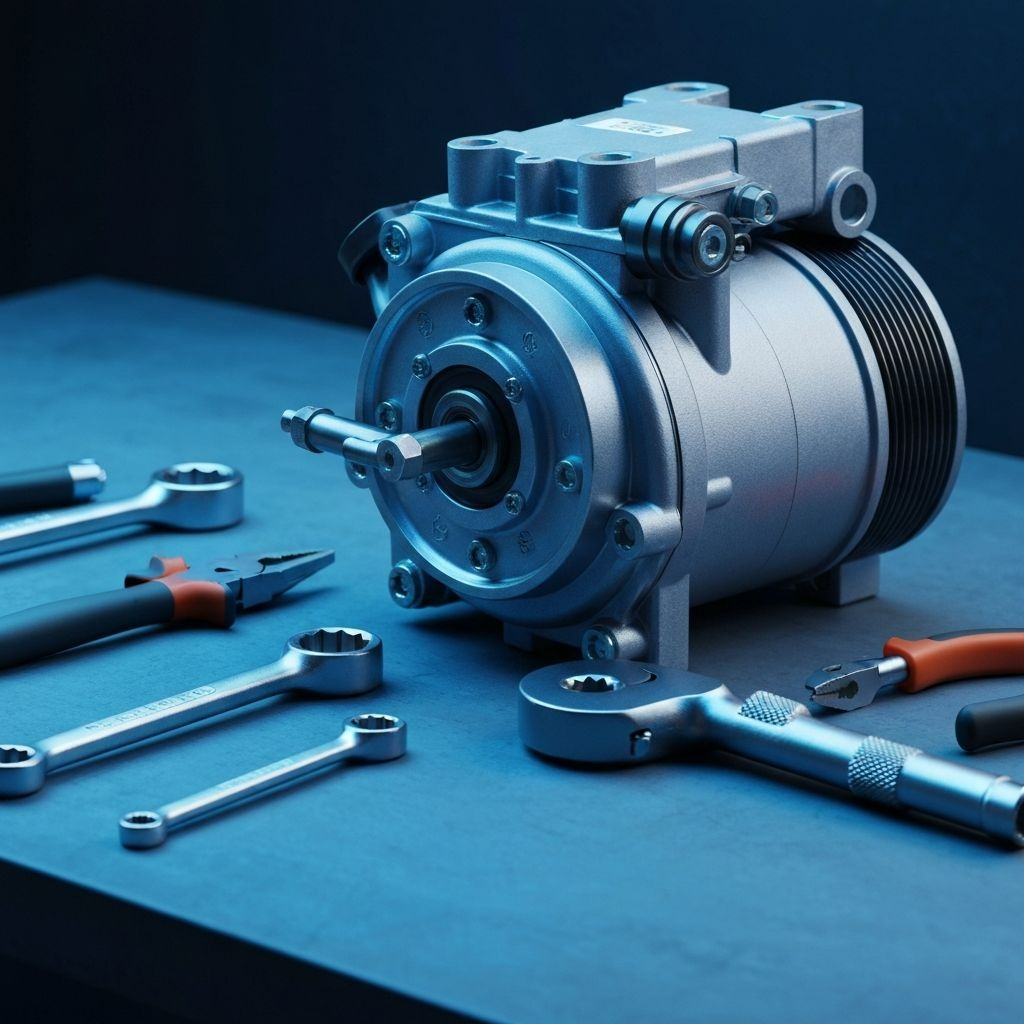
Prepare Your Car AC for Extreme Summer Heat
Summer temperatures can destroy an unprepared car AC system. Follow this step-by-step guide to get your vehicle's air conditioning ready for the hottest months of the year.

Why Summer Preparation Is Critical
In regions where summer temperatures routinely exceed 45°C, your car's air conditioning system isn't just a comfort feature — it's essential for safe driving. Heat exhaustion while driving is a real safety hazard, and a failing AC during a long highway journey can be dangerous.
Your AC system works significantly harder in extreme heat. The greater the temperature difference between outside and desired cabin temperature, the harder every component must work. A system that copes fine in 30°C weather may struggle or fail entirely at 50°C.
Pre-Summer Inspection Checklist
1. Professional AC Performance Test
Schedule a professional performance test at least 4-6 weeks before summer. This gives you time to address any issues before the rush season when repair shops are overbooked.
A proper test includes:
- Vent temperature measurement: The air from your center vents should reach 3-7°C below ambient temperature in moderate conditions.
- System pressure check: Both high and low side pressures should fall within manufacturer specifications.
- Compressor clutch test: The clutch should engage smoothly and hold without slipping.
- Electrical system check: All switches, sensors, relays, and fuses functioning correctly.
2. Refrigerant Level Check
Low refrigerant is the number one cause of poor AC performance in summer. Even a 10% loss of refrigerant can reduce cooling capacity by 20% or more. Have the level checked and topped up if needed — but always with a leak check first.
3. Condenser Inspection and Cleaning
Over the past year, your condenser has accumulated road debris. Before summer, have it thoroughly inspected and cleaned. Bent fins should be straightened with a fin comb to restore airflow.
4. Belt and Pulley Inspection
The drive belt undergoes extreme stress in summer heat. Inspect for:
- Cracks (especially on the ribbed side)
- Glazing (shiny, smooth surface)
- Edge fraying
- Proper tension
Replace any belt showing wear — a belt failure in 50°C heat leaves you stranded without AC and potentially without power steering and water pump.
5. Cabin Air Filter Replacement
Start summer with a fresh cabin air filter. The investment is minimal and the airflow improvement is immediate.
6. Cooling Fan Test
Ensure the condenser cooling fans are operating at full capacity. Test them at various speeds and check the fan relay. Weak or intermittent fans cause dramatic AC performance drops when idling in traffic.
Summer Driving Tips for Maximum AC Efficiency
The Smart Startup Routine
1. Open all windows for 30-60 seconds to vent trapped hot air
2. Start driving with windows down and AC on fresh air mode
3. After 2 minutes, close windows and switch to recirculation
4. Gradually reduce temperature setting to desired level
This routine reduces the initial load on your compressor by up to 40% compared to immediately closing everything and blasting maximum cold.
Parking Strategy
- Park in shade whenever possible
- Use reflective windshield sunshades — they can reduce dashboard temperatures by 25-30°C
- Crack windows slightly when safe to allow hot air circulation
- Consider window tinting (within legal limits) for long-term heat reduction
- Light-colored vehicles absorb less heat than dark ones
Driving Habits
- At highway speeds, AC is more fuel-efficient than open windows
- In stop-and-go traffic, AC works hardest — use moderate settings
- When the outside temperature is extremely high, don't set the AC to the lowest possible temperature. A setting 10-15 degrees below ambient is ideal — lower settings just overwork the system.
What to Do if Your AC Fails in Summer
If your AC stops working during extreme heat:
- Pull over safely — if you feel any symptoms of heat exhaustion (dizziness, confusion, headache)
- Open all windows — and turn the blower fan to maximum
- Stay hydrated — always carry water in your car during summer
- Contact roadside assistance — or a mobile AC repair service
- Don't try to drive long distances — without AC in extreme heat
Emergency AC Tips
- Place a damp cloth on the back of your neck while driving
- Use a battery-powered portable fan as a backup
- Have cold water bottles in a cooler for emergencies
- Drive during cooler morning and evening hours when possible
- Take breaks in air-conditioned buildings during long trips
Investing in Your Comfort and Safety
A pre-summer AC service costs $50-$150. A mid-summer emergency compressor replacement costs $500-$1,500 — and that's if you can even find a shop that isn't backlogged. The math is simple: preventive maintenance wins every time.