Car AC Not Cooling? 10 Common Causes & How to Fix Them
Is your car air conditioning blowing warm air? Discover the top 10 reasons your car AC stops cooling and learn the exact steps to diagnose and fix each issue before summer hits.

Why Is Your Car AC Not Blowing Cold Air?
Few things are more frustrating than turning on your car air conditioning on a scorching day only to be greeted by warm air. A malfunctioning car AC system is one of the most common automotive complaints, especially during summer months. The good news? Most car AC problems have straightforward solutions once you identify the root cause.
Your vehicle's air conditioning system is a complex network of components including the compressor, condenser, evaporator, expansion valve, and refrigerant lines. A failure in any of these parts can result in your car AC not cooling properly. Let's walk through the most common culprits.
1. Low Refrigerant (Freon) Levels
The most frequent cause of a car AC not cooling is low refrigerant. Your AC system uses refrigerant (commonly called freon) to absorb heat from the cabin air and expel it outside. Over time, small leaks in seals, hoses, or connections can cause the refrigerant level to drop below the minimum needed for effective cooling.
Signs: The AC blows slightly cool air but not as cold as it used to. Cooling gets worse over time.
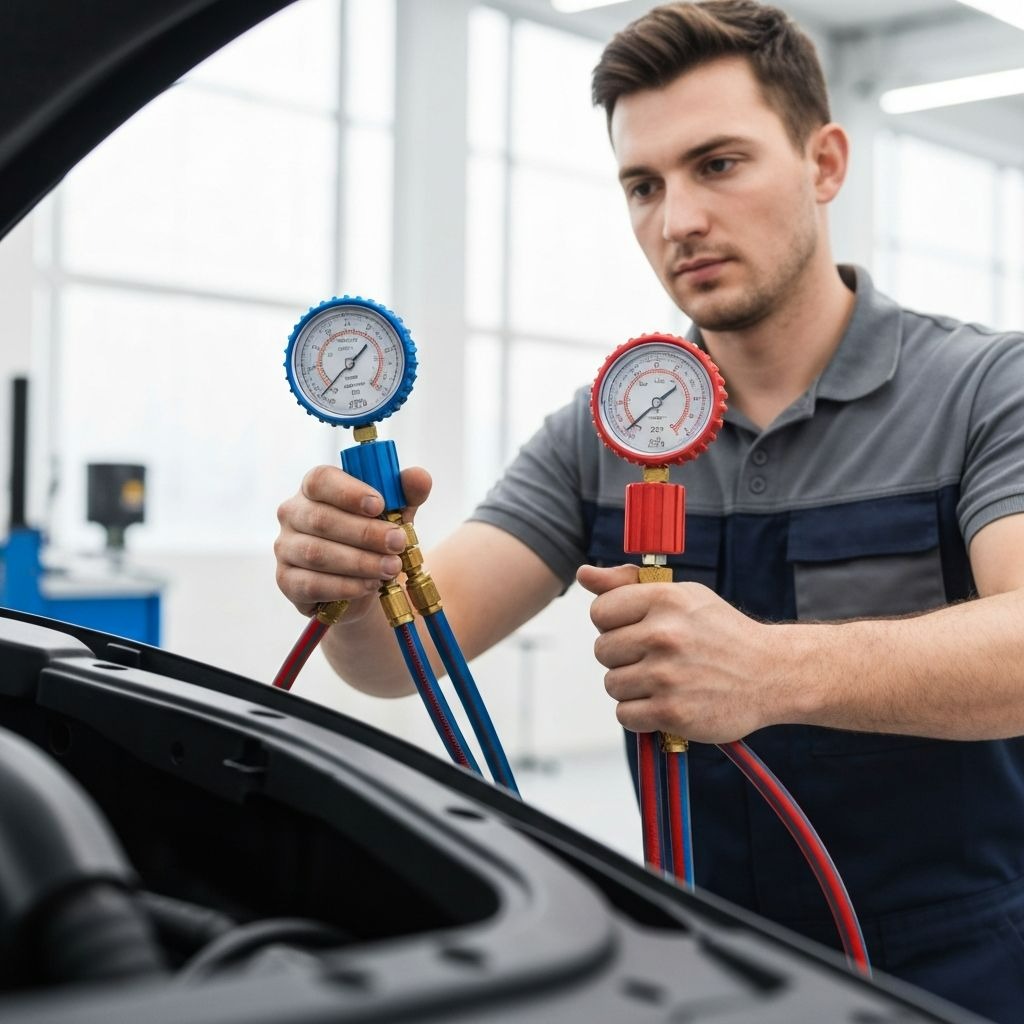
Fix: A professional freon refill service can restore your refrigerant levels. However, simply topping off the freon without fixing the leak means you'll face the same problem again. A qualified technician should perform a leak test first.
2. Faulty AC Compressor
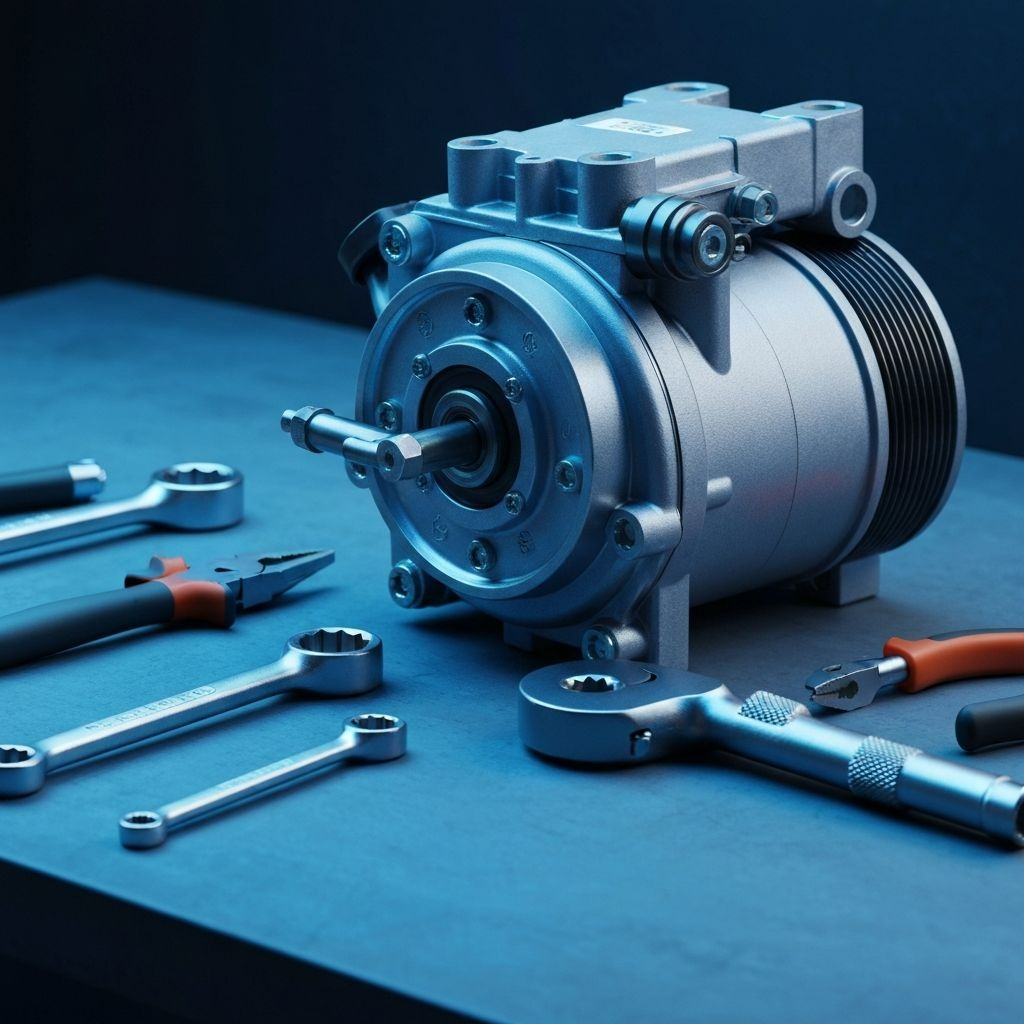
The compressor is the heart of your car's air conditioning system. It pressurizes the refrigerant and circulates it through the system. When the AC compressor fails, the entire system stops working.
Signs: Loud grinding or squealing noise when AC is turned on. AC clutch not engaging. Complete lack of cooling.
Fix: AC compressor replacement is one of the more expensive car AC repairs, typically costing between $500-$1,500 depending on your vehicle. Always use a certified technician for this repair, as improper installation can damage the entire system.
3. Clogged or Dirty Condenser
The condenser sits at the front of your vehicle (usually in front of the radiator) and works to dissipate heat from the refrigerant. When it gets clogged with road debris, bugs, or dirt, it can't efficiently release heat, resulting in poor cooling performance.
Signs: AC works intermittently. Cooling performance drops when idling but improves at highway speeds.
Fix: Visual inspection and cleaning of the condenser. In severe cases, the condenser may need replacement if fins are bent or damaged.
4. Broken Cooling Fans
The cooling fans help push air through the condenser, especially when the vehicle is stationary or moving slowly. If these fans malfunction, the condenser can't release heat efficiently.
Signs: AC stops cooling when the car is idling or in traffic but works fine on the highway.
Fix: Fan motor replacement or electrical repair. Check the fan relay and fuses first, as these are simpler and cheaper fixes.
5. Leaking AC System
Refrigerant leaks can occur at any point in the AC system — from the compressor seals to the evaporator core, hose connections, or even the condenser itself. Unlike engine oil leaks, refrigerant evaporates quickly, making visual detection difficult.
Signs: Gradual loss of cooling performance. Oily residue around AC connections. Need for frequent freon refills.
Fix: Professional UV dye leak detection is the most reliable method. Once the leak is located, the affected component is repaired or replaced, and the system is recharged.
6. Faulty Expansion Valve or Orifice Tube
The expansion valve (or orifice tube in some systems) controls the flow of refrigerant into the evaporator. When it fails, it can either restrict flow (causing poor cooling) or allow too much refrigerant through (causing the evaporator to freeze).
Signs: Inconsistent cooling. Frost visible on AC lines under the hood. AC works then suddenly stops.
Fix: Replacement of the expansion valve or orifice tube, followed by system evacuation and recharge.
7. Electrical Issues
Modern car AC systems rely on numerous electrical components — relays, fuses, sensors, and the control module. A blown fuse, faulty relay, or damaged wiring can prevent the system from operating.
Signs: AC doesn't turn on at all. Dashboard AC light blinks or doesn't illuminate. Intermittent operation.
Fix: Systematic electrical diagnosis starting with fuses and relays, then moving to sensors and wiring. This requires proper automotive diagnostic tools.
8. Contaminated Refrigerant
If the wrong type of refrigerant was used during a previous service, or if moisture and air entered the system, the contaminated refrigerant can significantly reduce cooling performance and potentially damage components.
Signs: Poor cooling despite correct refrigerant levels. Unusual pressure readings. System components corroding prematurely.
Fix: Complete system flush, evacuation, and recharge with the correct refrigerant type and amount specified by your vehicle manufacturer.
9. Worn AC Belt
The drive belt (serpentine belt) powers the AC compressor. If the belt is worn, cracked, or loose, the compressor may not spin at the correct speed, reducing cooling efficiency.
Signs: Squealing noise when AC engages. Belt visibly cracked or glazed. Intermittent compressor engagement.
Fix: Belt replacement is a relatively simple and inexpensive repair. Inspect the belt tensioner as well.
10. Clogged Cabin Air Filter
While not directly part of the AC system, a clogged cabin air filter significantly reduces airflow through the evaporator, making it seem like the AC isn't cooling well. This is actually one of the most common and easiest issues to fix.
Signs: Weak airflow from vents. Musty smell when AC is on. Increased fan noise.
Fix: Replace the cabin air filter — this is often a DIY job that takes less than 10 minutes.
When to Seek Professional Help
While some issues like checking fuses or replacing a cabin filter can be done at home, most car AC repairs require specialized equipment and knowledge. Professional technicians have the tools to properly diagnose refrigerant levels, detect leaks, and test electrical systems.
If your car AC is not cooling, start with the basics (cabin filter, visual inspection), but don't hesitate to contact a certified AC repair specialist for a thorough diagnosis. Catching small problems early can prevent costly compressor failures down the road.