How Electric Vehicle AC Systems Differ from Traditional Cars
Electric cars have fundamentally different AC systems. Learn how EV air conditioning works, its unique challenges, and what maintenance is needed to keep your electric car cool.
The AC Revolution in Electric Vehicles
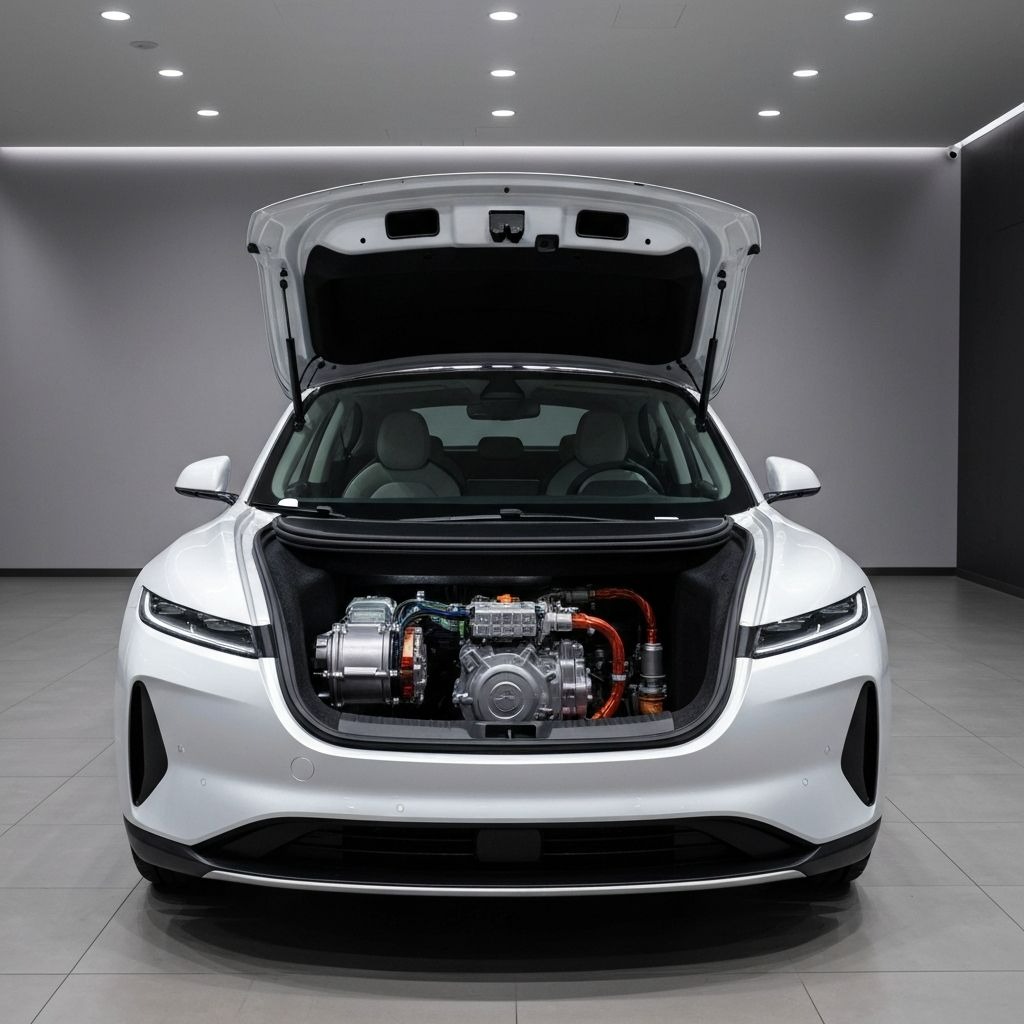
As the automotive world shifts toward electric vehicles, one of the most significant engineering changes is happening in the air conditioning system. While the basic principle of refrigerant-based cooling remains the same, the implementation is radically different — and understanding these differences is essential for EV owners and anyone considering an electric car.
How Traditional Car AC Works (Quick Recap)
In a conventional gasoline car, the AC compressor is mechanically driven by the engine through a serpentine belt. When you turn on the AC, a magnetic clutch engages the compressor, which spins as long as the engine runs. This means:
- The compressor only works when the engine is running
- Compressor speed is tied to engine RPM
- Significant parasitic power loss (5-15 HP from the engine)
- Engine idling is required for AC in a parked vehicle
How Electric Vehicle AC Works
Electric Compressor
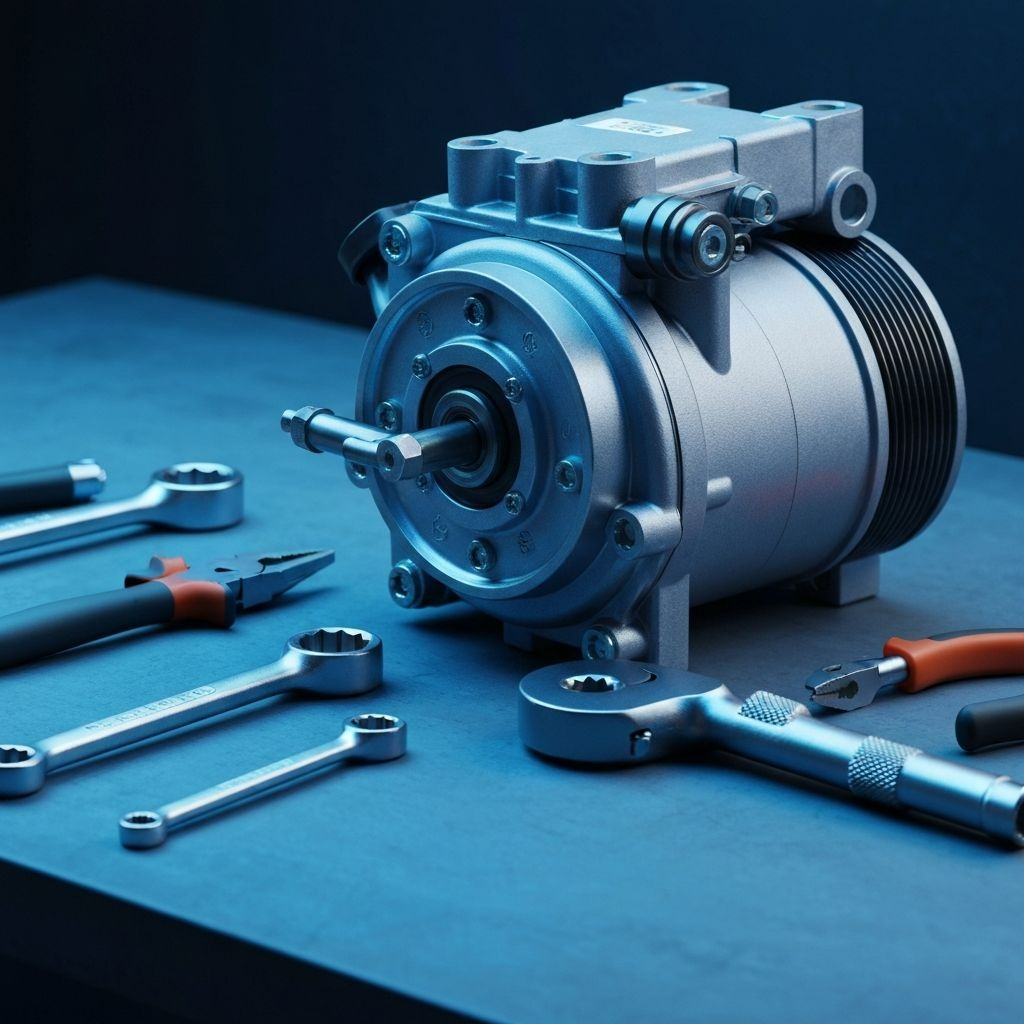
The most fundamental difference is the compressor. EVs use an electrically driven compressor powered by the vehicle's high-voltage battery pack. This changes everything:
- Independent operation: The compressor runs at whatever speed is optimal for current cooling demands, regardless of driving speed
- Pre-conditioning: You can cool the car while it's still plugged in, using grid power instead of battery
- Consistent performance: Cooling doesn't vary with engine RPM — the compressor adjusts independently
- Silent operation: Electric compressors are much quieter than belt-driven units
Heat Pump Systems
Many modern EVs use a heat pump system instead of (or in addition to) a traditional AC system. A heat pump is essentially an AC system that can run in reverse:
- Cooling mode: Works like traditional AC, absorbing heat from the cabin and expelling it outside
- Heating mode: Extracts heat from the outside air and pumps it into the cabin — dramatically more efficient than resistive electric heating
- Efficiency: A heat pump can deliver 3-4x more heat energy than the electrical energy it consumes
This is a game-changer because heating in EVs was historically one of the biggest range-killers. Early EVs used resistive heaters (basically giant hair dryers) that consumed enormous amounts of battery energy. Heat pumps reduce heating energy consumption by 60-70%.
Thermal Management Integration
In EVs, the AC system often does double or triple duty:
- Cabin cooling/heating: — Your comfort
- Battery thermal management: — Keeping the battery pack in its optimal temperature range (20-40°C)
- Motor/electronics cooling: — Dissipating heat from the electric motor and power electronics
This integration means the AC system in an EV is more complex and sophisticated than in a traditional car, but also more critical to the vehicle's overall performance and longevity.
Impact on Driving Range
AC use significantly affects EV range — more so than in gasoline cars where the energy source (fuel) is separate from propulsion:
Cooling impact: Running AC in hot weather can reduce range by 10-25%, depending on conditions and the vehicle's efficiency.
Heating impact: In cold weather, heating can reduce range by 20-40% without a heat pump, or 10-15% with a heat pump.
Pre-conditioning benefit: Cooling or heating the cabin while plugged in can save 5-10% of battery capacity that would otherwise be used for climate control during driving.
Tips to Minimize Range Impact
- Pre-condition while charging: This is the single most effective strategy
- Use seat heaters/coolers: They use 75W vs 3,000W+ for cabin HVAC
- Moderate temperature settings: Every degree matters more in an EV
- Use recirculation: Don't constantly fight outside temperatures
- Park in shade/garage: Reduce the thermal load before driving
Maintenance Differences
What's the Same
- Cabin air filter replacement (same schedule)
- Refrigerant system basics (seals, connections, can still leak)
- Condenser cleaning and inspection
What's Different
- No drive belt: Electric compressors have no belt to wear or replace
- No clutch: No electromagnetic clutch to fail
- Coolant loops: EVs have multiple coolant circuits that need periodic service
- High-voltage components: AC compressor service requires high-voltage safety training and equipment
- Software updates: EV thermal management often improves through over-the-air software updates
Special Considerations
- Never open the high-voltage AC compressor yourself — EV compressors operate at 400V+ and can be lethal
- Use only EV-certified technicians for AC system service
- Specialized refrigerant oil: EV compressors require specific non-conductive oil (POE oil) — using the wrong type can cause electrical shorts
- More frequent coolant service: The multiple thermal management loops may need coolant replacement more often than a traditional car
The Future of EV Climate Control
The evolution continues with technologies like:
- CO2 (R-744) refrigerant: Even more environmentally friendly than R-1234yf
- Zonal climate control: Individual comfort zones using less energy
- Solar roof integration: Using solar panels to power cabin pre-conditioning
- Advanced heat pump designs: Operating efficiently even in extreme cold (-25°C and below)
- AI-powered thermal management: Predicting driver needs and optimizing energy use
Electric vehicle AC systems represent a significant leap forward in automotive climate control — more efficient, more capable, and more integrated than their traditional counterparts. Understanding these systems helps EV owners maximize both comfort and range.